By Rhona Cohen and Olive O’Brien-Cohen
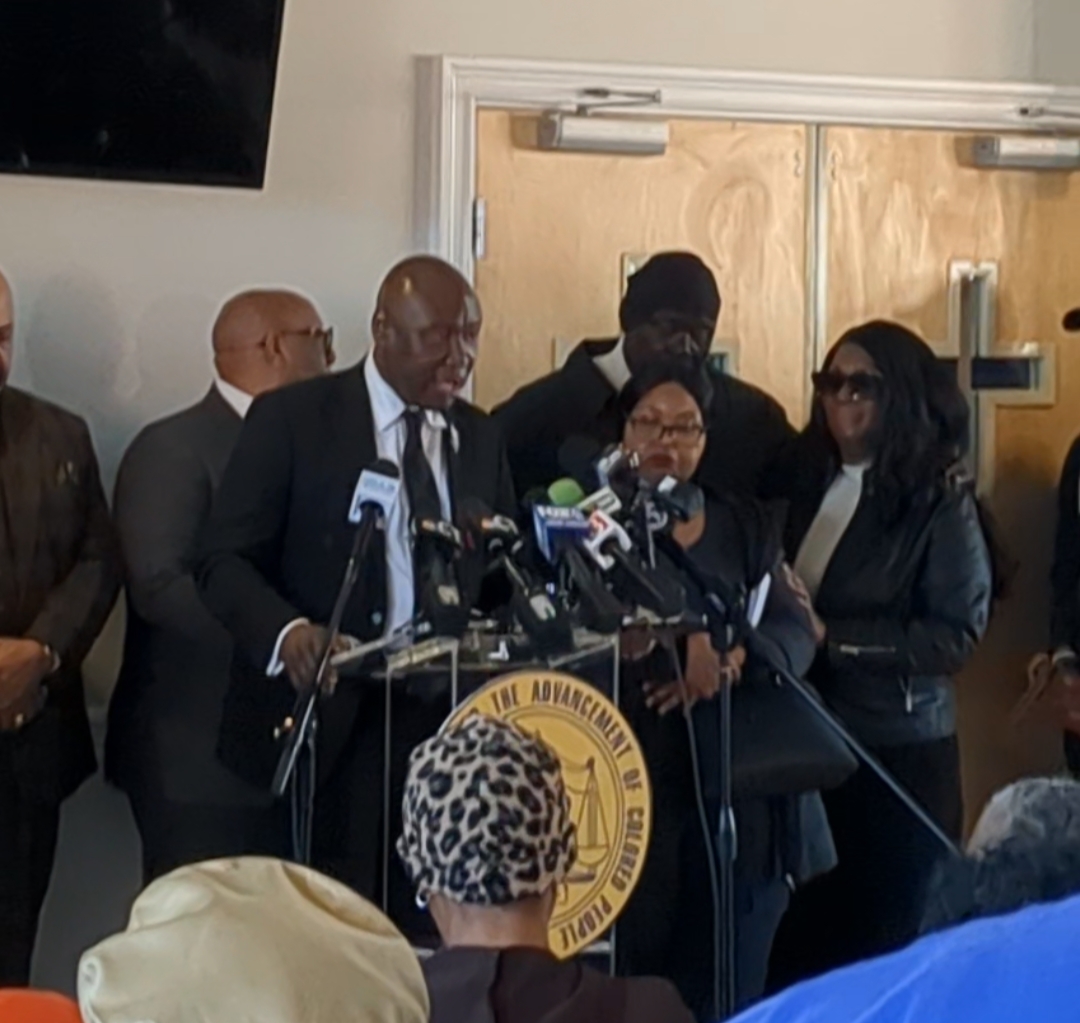
Steven “Stevie” Jones, 55 years old, died on March 4th from gunshot injuries sustained at the hands of a Hartford police officer during a mental health crisis. Famed civil rights attorney Benjamin Crump, the state and local NAACP, Jones’ surviving family members, and a broad swath of Hartford’s community held a press conference, where they all came together to discuss the events of the shooting. Attorney Crump vowed justice for Stevie, through every legal remedy available to the family. Scott Esdaile, CT state NAACP President, expressed outrage at the unnecessary use of force that led to Stevie’s death. Stevie Jones sister, Audrey Jones, described her brother as a kind, helpful and gentle soul. She said she was calling for an ambulance, for help getting her brother the medicine he needed, not the police.
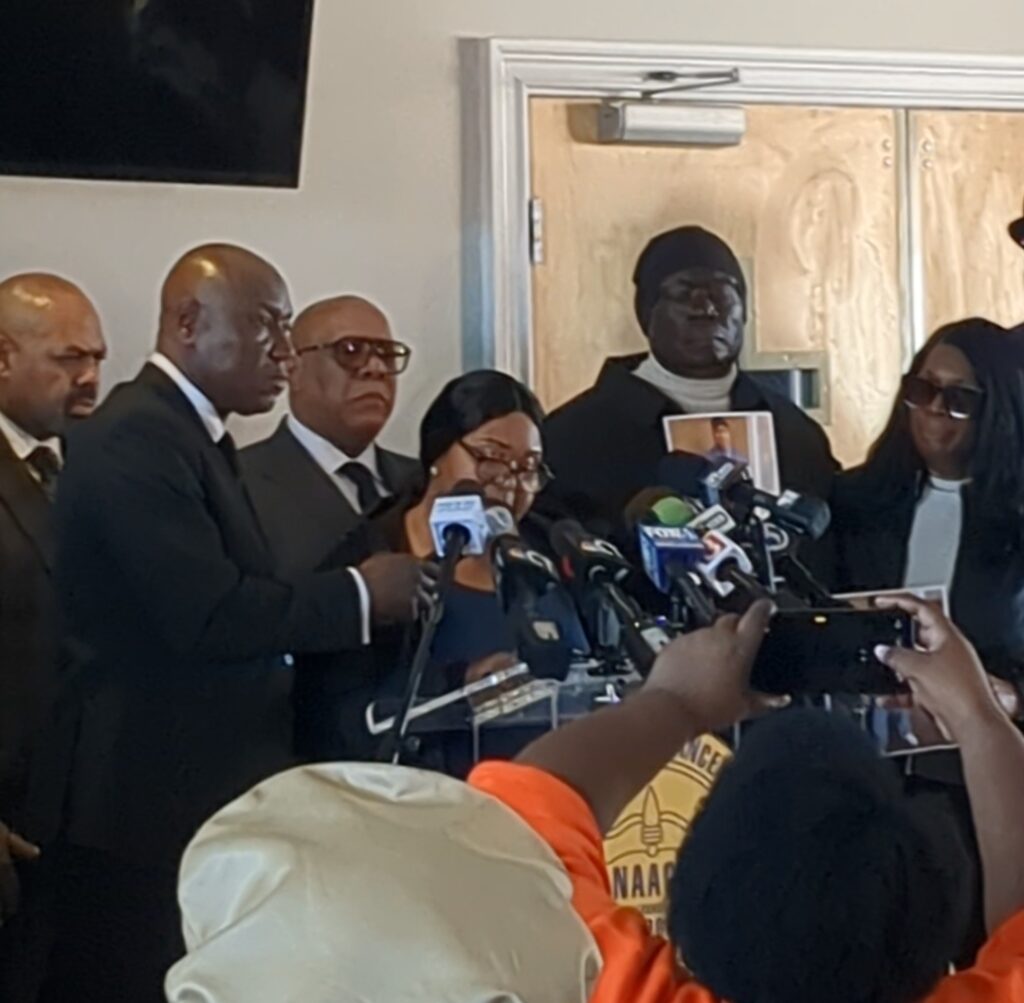
To improve mental health responses in Hartford, the police policy includes the following 4 key points: To implement crisis intervention training for officers to handle mental health situations effectively. To collaborate with mental health professionals for on-scene support during incidents. To establish a dedicated mental health unit within the police department. And to utilize de-escalation techniques to minimize confrontations during mental health crises. For over ten minutes officers on the scene worked toward de-escalation only for a fourth officer to rush in and shoot Stevie nine times in under thirty seconds. As Mr Crump pointed out, the other officers did not fear for their lives and so the shooting seemed tragically uncalled for and illegal. The Inspector General ruled Stevie Jones’ cause of death a homicide. The responsible police officer has been put on administrative leave as per the Hartford Police Union contract. With the POV of all four officers, Crump declares the investigation should not take long and the police officer should face legal consequences for his actions. When asked what they were looking for from the city and the mayor, Crump responded, “We don’t want special treatment, just the same treatment as anyone can expect.” When we [black people in Hartford] call for help, we want help, not bullets. This was nine bullets too many.