Spotted Lanternflies: Working Together to Stop a Growing Threat to New Britain’s Trees
By Carol S. Austad, Ph.D
The spotted lanternfly is no longer someone else’s problem. It has arrived in New Britain. Some residents are beginning to see increasing numbers of these invasive insects in their neighborhoods.
Originally introduced into the United States from Asia, the spotted lanternfly has spread rapidly throughout the Northeast, including Connecticut. While it is best known for damaging vineyards, it feeds on more than 70 species of trees and plants. Among its favorite hosts is the invasive tree-of-heaven (Ailanthus altissima), but it also feeds on many other trees and plants in our communities such maples, walnuts, birches, willows, fruit trees, and grapevines.
Although healthy, established trees can survive lanternfly feeding, heavy infestations can weaken trees and vines by removing sap, reducing growth, and making plants more vulnerable to disease and other stresses. The Lantern flies produce a sticky substance called “honeydew” that coats leaves, outdoor furniture, decks, sidewalks, and vehicles. This honeydew encourages the growth of black sooty mold, creating an unsightly mess.
The spotted lanternflies do not recognize property boundaries. They move freely from yard to yard, making control difficult if neighbors are working independently. Successful management depends upon cooperation among community members who share the infestation.
To save our trees, residents can learn to identify spotted lanternflies and their egg masses, removing egg masses when found, becoming familiar with tree-of-heaven—the insect’s preferred host—and following guidance from Connecticut’s forestry experts. Coordinated action among neighboring property owners are far more effective than isolated efforts.
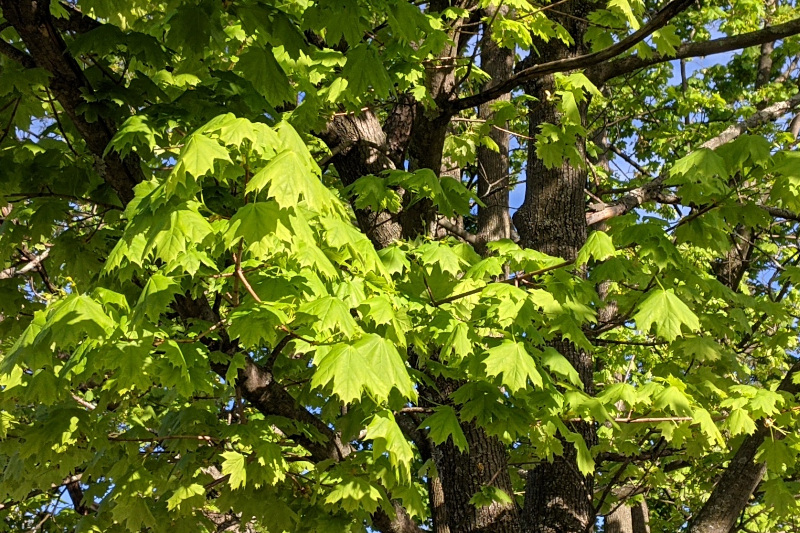
New Britain’s trees are among our city’s greatest assets. They provide shade during hot summers, improve air quality, reduce stormwater runoff, support wildlife, increase property values, and make our neighborhoods healthier and more beautiful places to live.
Protecting these trees is a shared responsibility. As spotted lanternflies continue to spread, education, early detection, and cooperation among neighbors will be essential. By working together, we can help reduce the impact of this invasive insect and preserve the health of New Britain’s urban forest for future generations.